The Epic Journey of Stones & Builders: How Was Stonehenge Built?
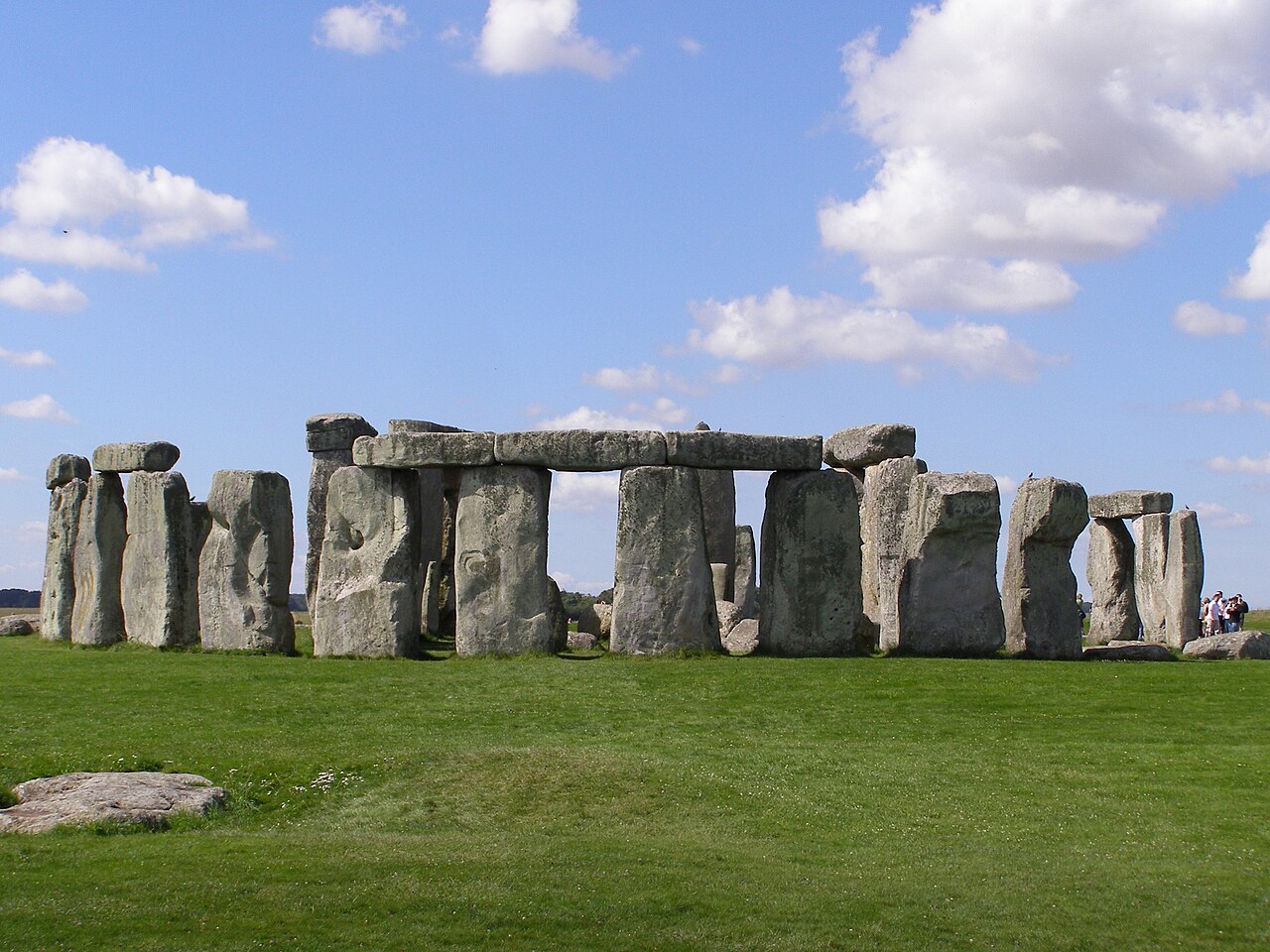
Perched majestically on England's sprawling Salisbury Plain, Stonehenge stands as one of the world's most recognizable and enigmatic archaeological sites. This colossal megalithic stone circle has captivated humanity for millennia, inspiring countless myths, theories, and intense academic debate. While its precise purpose continues to fuel discussion, the sheer feat of its construction remains perhaps the most baffling aspect of its incredible
history. How did ancient Britons, without the aid of modern technology or even the wheel, manage to erect such a monumental structure? Delving into the physical challenge of moving and raising these immense stones offers a profound appreciation for the ingenuity and sheer will of its Neolithic builders, forever intertwining the narrative of Stonehenge with the enduring mysteries of Salisbury Plain.
Unraveling the Construction Timeline: A Millennia-Long Project
The construction of Stonehenge wasn't a single event but a complex, multi-stage project spanning an astonishing 1,500 years. Archaeological investigations, which trace their roots back to the 17th century with early antiquarian surveys, have revealed a fascinating sequence of building phases. What began around 3000 BC as a large circular earthwork enclosure with a timber structure at its heart gradually evolved.
Initially, around 2600 BC, this wooden complex was replaced by the first stone elements – a pattern of approximately 80 "bluestones." These stones, however, weren't placed once and left; evidence suggests they were rearranged at least three times as the vision for the monument continued to develop. The builders then introduced the truly colossal sandstone blocks, known as sarsens, which form the iconic outer circle and the imposing trilithons within. This extended timeline underscores not only the massive effort involved but also the profound, enduring significance Stonehenge held for generations of ancient communities. It was a project that transcended individual lifetimes, a testament to a shared cultural purpose passed down through centuries.
The Epic Journey of Stonehenge's Stones: A Feat of Ancient Logistics
Perhaps the most astonishing aspect of Stonehenge's construction is the sheer scale of the transportation challenge. The monument is comprised of two primary types of stone, each with a distinct origin that speaks volumes about the determination of its builders.
The Distant Welsh Bluestones
The smaller, yet still substantial, bluestones derive their name from their bluish tint when wet or freshly broken. Averaging around 2 to 5 tons each, these dolerite and rhyolite stones are far from local. Geochemical analysis has definitively traced their origin to the Preseli Hills in Pembrokeshire, West Wales – an incredible distance of approximately 145 to 200 miles (230-320 kilometers) from Salisbury Plain.
The methods used to transport these stones remain a subject of intense debate and speculation. The most widely accepted theories involve a combination of land and water travel:
*
Overland Haulage: It's plausible that the bluestones were initially moved using sledges pulled by large teams of people and possibly oxen, navigating challenging terrain.
*
River and Sea Transport: Many scholars believe the most efficient way to cover such a vast distance would have been by water. The stones could have been loaded onto rafts or boats, floated along the Welsh coast, up the Bristol Channel, and then via rivers like the Avon, before a final overland haul to the site. This would have required immense coordination and navigational skill in an era without modern charts or powerful vessels.
The sheer effort expended in bringing these bluestones from so far away suggests they were imbued with immense significance, perhaps even mystical or healing properties. Some theories, for instance, propose that Stonehenge served as a "prehistoric Lourdes," a healing sanctuary where people sought remedy. The discovery of Bronze Age skeletons in the area showing signs of bone deformities lends credence to the idea that people, possibly infirm, traveled great distances to be near these 'magical' stones. This deep-seated belief would have provided a powerful impetus for such an arduous undertaking.
The Mighty Sarsen Stones and Their Local Haul
While the bluestones traveled an epic distance, the massive sarsen stones that form the familiar outer circle and the inner horseshoe of trilithons presented a different, yet equally formidable, challenge. These sandstone blocks, weighing an astounding 25 tons each (with some reaching up to 50 tons), were sourced from Marlborough Downs, approximately 19 miles (30 kilometers) north of Stonehenge.
Although a shorter journey, moving stones of this magnitude without wheels or heavy machinery was an extraordinary feat of engineering and brute force. It's widely believed that the sarsens were moved using a combination of techniques:
*
Sledges and Rollers: Logs or carefully shaped timbers likely served as rollers, allowing the stones to be pulled across the landscape on sturdy wooden sledges. This would have required hundreds, if not thousands, of people to pull ropes, constantly repositioning rollers and preparing the ground ahead.
*
Prepared Pathways: It's probable that specific routes were cleared and leveled, and possibly even reinforced with timber or gravel, to facilitate the passage of these immense weights.
Adding to the complexity, the enormous Altar Stone, which lies at the heart of the monument, traces its origin to a different source – some speculate even as far as Scotland, a mind-boggling 466 miles away. This demonstrates an almost incomprehensible level of logistical planning and persistent dedication. The energy and resources invested in acquiring and moving these stones were truly immense, a testament to the profound cultural and spiritual importance of the evolving monument.
Neolithic Engineering: The Art of Raising Giants
Once the stones arrived at Salisbury Plain, the next challenge was to erect them. The engineering required to stand these multi-ton stones upright and then place lintels (horizontal stones) on top of the sarsen uprights was nothing short of brilliant.
Archaeologists theorize several methods:
*
Pit and Lever System: For the uprights, a large hole would have been dug with one side sloping. The stone would be dragged to the edge of the pit, then slowly levered up using ropes and possibly wooden A-frames or scaffolding, until it slid into the pit. Once vertical, it would have been secured with smaller stones and earth.
*
Cribbing and Ramp for Lintels: Placing the lintels atop the massive sarsens would have been even more difficult. It's believed that a ramp made of earth and timber was gradually built up around the standing stones. The lintel would then be dragged up this ramp and carefully maneuvered into place. Another theory involves "cribbing," where wooden platforms are progressively built up beneath the lintel, lifting it inch by inch until it reached the required height.
The precision with which these stones were aligned, particularly with celestial events like the summer and winter solstices, points to a deep understanding of astronomy and meticulous planning. It's estimated that the entire construction of Stonehenge required well over 20 million hours of labor – a staggering figure that highlights the monumental social organization and collective will of the Neolithic communities involved. This wasn't merely a construction project; it was a societal undertaking of epic proportions, defining generations.
Beyond Construction: Unraveling the Purpose of Stonehenge
While understanding "how" Stonehenge was built reveals much about ancient capabilities, the enduring question of "why" it was built continues to inspire much debate among scholars and enthusiasts alike. Modern consensus leans towards Stonehenge primarily serving as a burial ground, a theory supported by numerous discoveries of human remains in the vicinity.
However, the monument's intricate alignment with celestial bodies, particularly the sun and moon, strongly suggests it also functioned as a sophisticated observatory or a site for rituals linked to the changing seasons and astronomical events. Theories range from it being a giant megalithic calendar to a place where ancient peoples reflected or predicted solar eclipses. The ongoing efforts to understand the site's deeper meaning continue to reveal the complex interplay of spirituality, science, and community that drove the immense effort detailed in Stonehenge's construction
history.
Experiencing the Legacy of the Builders
Stonehenge remains a UNESCO World Heritage site, attracting nearly a million visitors annually who come to marvel at this prehistoric wonder. Standing amidst these ancient stones, it’s impossible not to feel a profound connection to the Neolithic builders who dedicated their lives to its creation. The journey of each stone, from distant quarry to the sacred circle on Salisbury Plain, tells a powerful story of human endeavor, spiritual devotion, and an unparalleled ability to collaborate on projects that defied the technological limitations of their era. The history of Stonehenge is not just a chronicle of stones, but a testament to the enduring spirit of human innovation and belief.